Is polyaspartic always better?
No. It can be excellent, but the best system depends on conditions, prep, and installation quality.
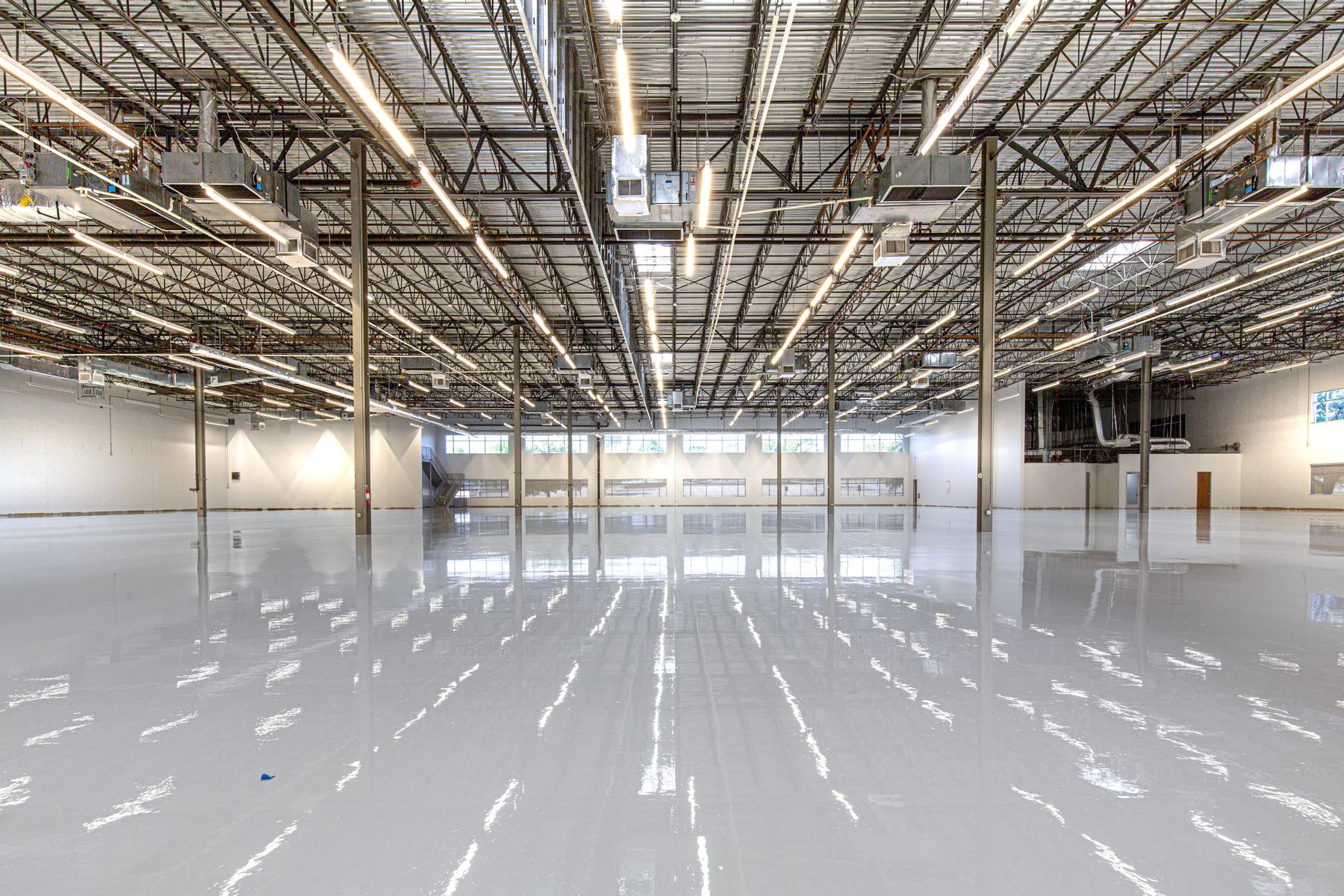
Coating comparison
Both coating types can work well. The better choice depends on slab condition, installer process, return-to-use timing, and budget.
Compare the system, not just the name
Homeowners often ask whether epoxy or polyaspartic is better. In real installations, the answer is more nuanced. Some garage floor systems use an epoxy base coat with a polyaspartic topcoat. Others use polyaspartic throughout. Product chemistry matters, but prep and installation matter too.
Epoxy is known for strong adhesion and is commonly used in garage floor systems. Polyaspartic coatings are often chosen for faster cure times and UV stability. The right choice depends on temperature, humidity, schedule, slab condition, and the installer’s system.
Ask what layers are included, how thick the system is, what prep method is used, whether the quote includes crack repair, and how soon vehicles can return. These answers are more useful than choosing based on a product name alone.
No. It can be excellent, but the best system depends on conditions, prep, and installation quality.
Some epoxy products can amber with UV exposure. Ask how the system handles sunlight near garage doors or windows.
Polyaspartic systems can cost more, but total price depends on prep, repairs, layers, finish, and local labor.
Helpful next pages
Use these core pages to compare local options, pricing, and the quote process before choosing a provider.